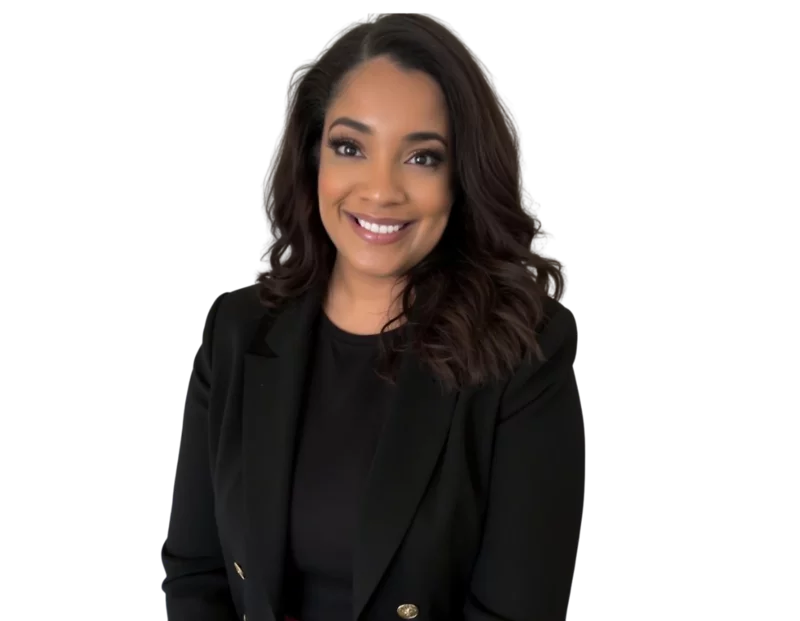
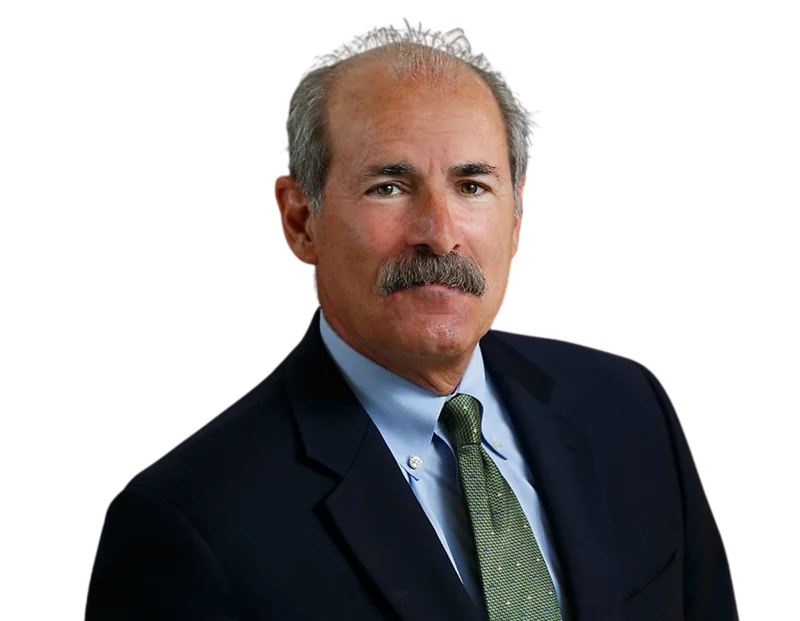
Louise Davies is an Affirmative Action Paralegal in Constangy's Winston-Salem, North Carolina, office. For more than 15 years, she has helped employers develop affirmative action plans and respond to audits and on-site investigations by the Office of Federal Contract Compliance Programs. She also conducts diversity training for employers. Louise is a graduate of Wesleyan College in Macon, Georgia.
On August 25, 2016, the FAR Council and the Department of Labor issued their Final Rule and Final Guidance on the Fair Pay and Safe Workplaces Executive Order.
The Executive Order addresses three topics: (1) the reporting of "Labor Law violations," (2) paycheck transparency, and (3) complaints and dispute transparency.
Reporting of Labor Law violations
- Contractors must disclose all Labor Law violations during the pre-award bidding process (a "Labor Law" is just about any federal law that governs the employment relationship, and a "violation" is some level of "finding" by the government or a court that a violation occurred, such as a reasonable cause determination from the Equal Employment Opportunity Commission)
- Labor Law violations that occurred between October 25, 2016, and the date of submission, or in the 3 years before submission, whichever time period is shorter, must be reported
- Contractors may provide explanations for the violations to help demonstrate that they are "responsible employers"
- Violations will be analyzed and categorized as serious, repeated, willful or pervasive
- Subcontracts valued at $500,000 are also covered.
Paycheck transparency
- Employees must be provided a wage statement document every pay period that provides the information specified in the regulations.
Complaints and dispute transparency
- Companies with contracts valued at $1 million or more are prohibited from having pre-dispute arbitration agreements for certain Title VII and tort claims.
The actual regulations are extensive, and federal contractors should become familiar with them. Cara Crotty is also offering a free webinar on the regulations from 1 to 2:30 p.m. Eastern on Wednesday, September 21. Although the webinar is free, registration is required. If you're a federal contractor, you will not want to miss it.
This is Constangy’s flagship law blog, founded in 2010 by Robin Shea, who is chief legal editor and a regular contributor. This nationally recognized blog also features posts from other Constangy attorneys in the areas of immigration, labor relations, and sports law, keeping HR professionals and employers informed about the latest legal trends.