
Did you know that unequal pay causes depression and anxiety?
Neither do I. A recent study has received a lot of publicity after it found a correlation between relatively low pay and rates of clinical depression and anxiety disorders among those who were lower paid.
Guess what? The lower-paid, depressed/anxious people turned out to be predominantly female.
http://www.dailymotion.com/video/x219lgw_office-space-jump-to-conclusions-mat_shortfilms
Most of the news articles I've read about the study do mention that all the researchers found was a correlation and not necessarily that unequal pay was the cause of the psychiatric disorders. (It could very well be that employees' depression/anxiety was a career limitation that resulted in the lower pay, rather than vice versa.)
I wish I could say the same thing for the headlines, or for the commentary from people with an apparent agenda, like Katherine Keyes, an associate professor at Columbia University who "worked on the report," and concluded that the study shows we need legislation on equal pay (uh, Professor Keyes, we have it!), "parental leave, affordable child care, and flexible work schedules."
First, it's a giant leap to conclude that the women's lower pay is a result of discrimination, as opposed to the many other factors that adversely affect women's pay relative to men's pay. (Just a few examples: Later start in the work force, career interruptions for childbearing and childrearing, statistics skewed by older men and women still in the work force who began in a different era, etc.)
Second, even if discrimination is the cause of the pay differential, it doesn't necessarily follow that higher rates of depression or anxiety result from discrimination, as opposed to other causes.
I am sure that discrimination could, directly or indirectly, cause people to feel depressed or anxious. But, according to science, a lot of other things do, too. In women, depression correlates with having young kids at home, being married, being less educated, and being unemployed. Also hormones (including the changes that occur in a female during puberty, during menstruation and pregnancy/post-partum, and during menopause). And until now, I've not even mentioned that although women's rates of depression are higher than men's, men have dramatically higher rates of successful suicide.
I favor equal pay and family-friendly policies, as regular readers of this blog know. My only problem is with the confusion of cause and effect that seems to occur so often in gender-based studies (or media coverage of them), and the use of that confusion to justify sweeping legislative "solutions."
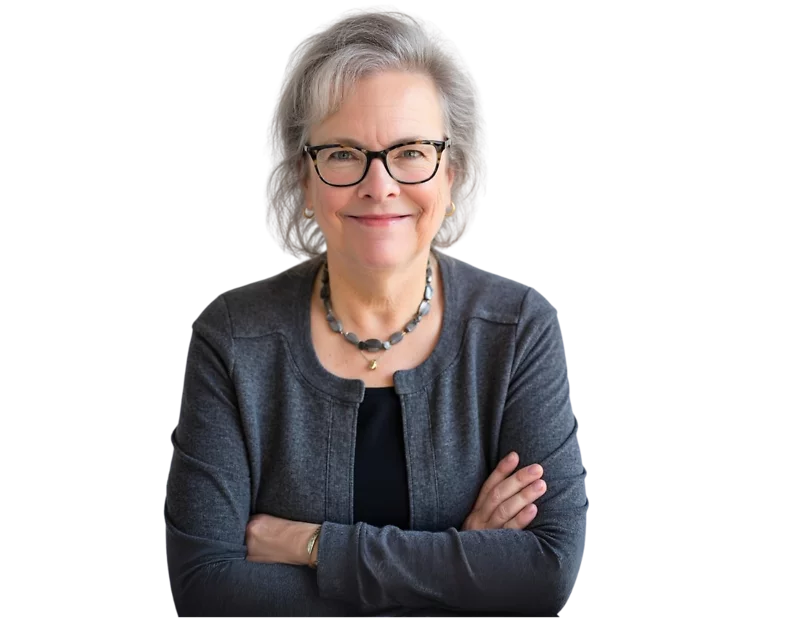 Of Counsel & Chief Legal Editor
Robin also conducts internal investigations and delivers training for HR professionals, managers, and employees on topics such as harassment prevention, disability accommodation, and leave management.
Robin is editor in chief ...
This is Constangy’s flagship law blog, founded in 2010 by Robin Shea, who is chief legal editor and a regular contributor. This nationally recognized blog also features posts from other Constangy attorneys in the areas of immigration, labor relations, and sports law, keeping HR professionals and employers informed about the latest legal trends.