The legal challenges relate to "abortion accommodation."
Not long ago, I blogged about two legal challenges to the regulations interpreting the Pregnant Workers Fairness Act. In one case, 14 state attorneys general filed suit in federal court in Arkansas. Shortly afterward, the states of Louisiana and Mississippi filed a separate suit in federal court in Louisiana.
Then, a number of Catholic organizations filed suit in the same federal court in Louisiana.
All of the challenges related to the provision in the regulations, issued by the U.S. Equal Employment Opportunity Commission, that says employers have to make reasonable accommodations for employees who need them for elective abortions. (That is, abortions not performed for medical reasons.)
Last week, the Arkansas court dismissed its case, ruling that the plaintiffs lacked "standing." Generally, to be able to sue, the plaintiff has to have been harmed or be likely to be harmed by the challenged action. If so, the plaintiff has "standing" to sue. But if the plaintiff's harm or risk of harm is tenuous, the plaintiff may not have "standing" to sue. If not, the case has to be dismissed.
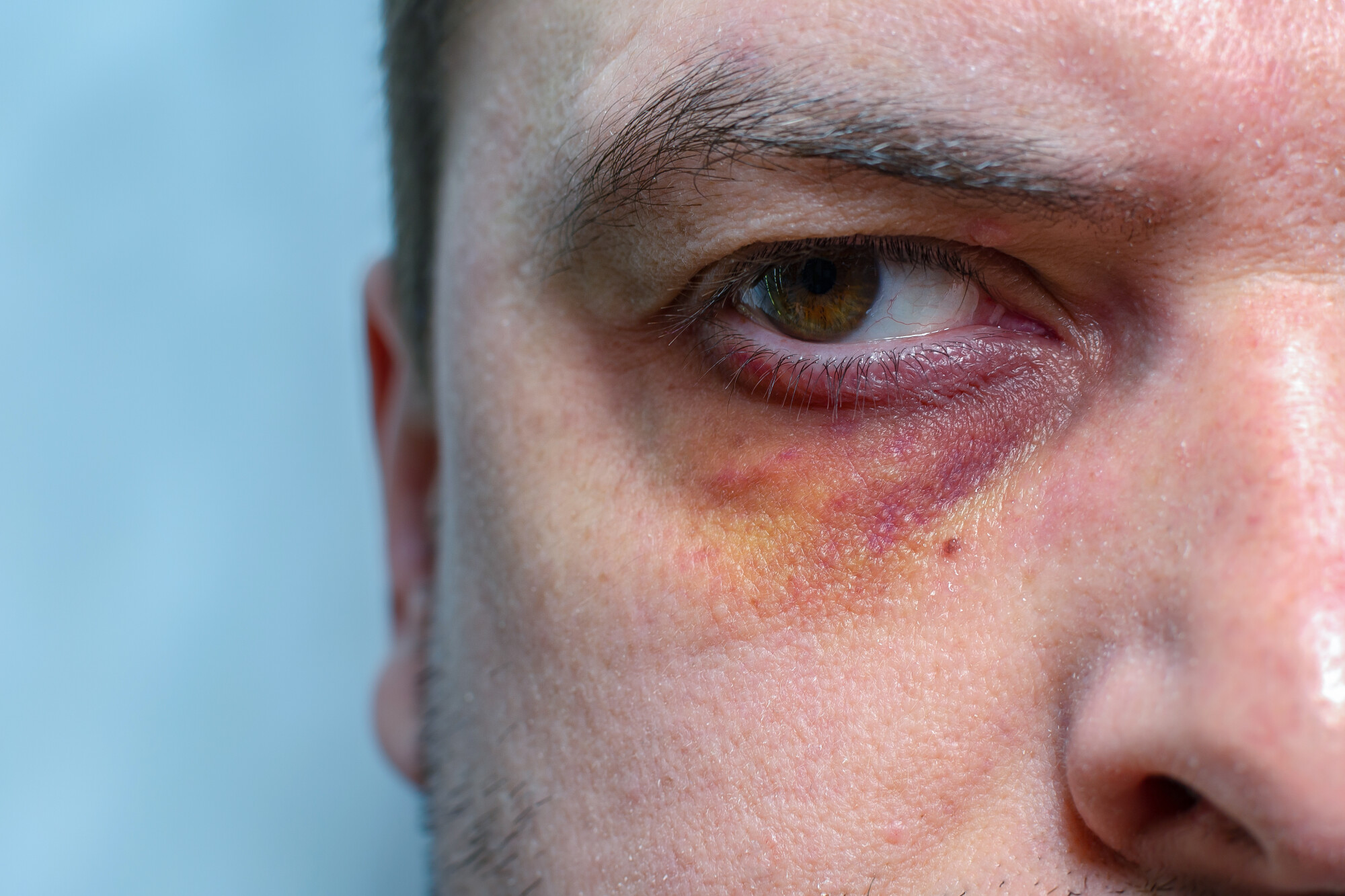
For example, not that you'd ever do it, but let's say you punch my neighbor. I can't sue you for that because I was not harmed by your action, even though I might have been very disappointed in you. My neighbor with the black eye is the one who has the right to sue you.
Getting back to Arkansas, Judge D. Price Marshall, Jr. (an Obama appointee), ruled that the 14 states were not sufficiently harmed by the "abortion accommodation" provision in the EEOC regulations to have standing to sue. The only evidence of the monetary cost to the states to comply with that provision was that it would be about $76. That was the EEOC's estimate, and the states disputed it, but they apparently didn't submit any evidence to the contrary. There were other reasons for the "no standing" ruling in addition to this one, but it's very procedural, so I won't go there. If you'd like to learn more about standing, you can read both of the court decisions linked in this post.
In dismissing the case for lack of standing, Judge Marshall didn't have to decide whether the EEOC had exceeded its authority by interpreting the PWFA to require employers to accommodate employees who were having elective abortions.
Then, just a few days later, the judge in the Louisiana case provided a very different result. First, Judge David C. Joseph (a Trump appointee) consolidated the lawsuit brought by the states of Louisiana and Mississippi with the lawsuit brought by the Catholic organizations. Then he found that all of the plaintiffs had standing. In Louisiana and Mississippi post-Dobbs, abortions are illegal with very, very limited exceptions. The states argued that the EEOC regulation deprived the states of their sovereignty. (That's because the Supreme Court Dobbs decision returned the abortion issue to the states.)
In Catholic teaching, all human life is sacred "from conception to natural death." The Catholic organizations -- who are also employers -- argued that knowingly making accommodations for employees having abortions would violate Catholic teaching.
Judge Joseph granted a preliminary injunction against this part of the PWFA regulations, meaning that the EEOC can't investigate a charge alleging a violation or issue a notice of right to sue. However, the rest of the PWFA regulations are enforceable and in effect.
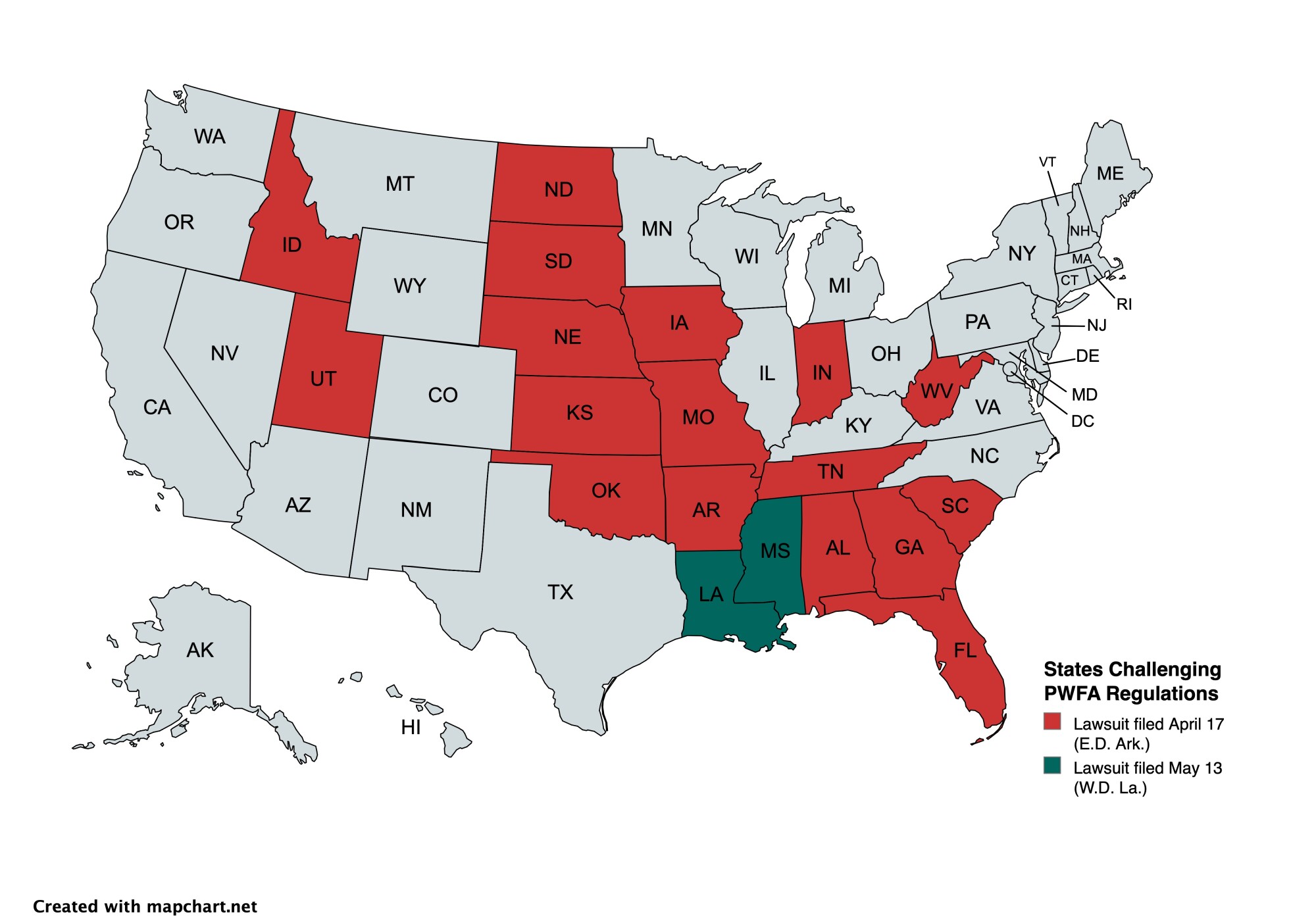

Again, Judge Joseph's injunction applies only to the requirement to make reasonable accommodations for elective abortions that do not have a medical justification. It also applies only to employees of the states of Louisiana and Mississippi and their agencies (not private sector employees in those states), and to employees of the Catholic organizations that filed suit. One of the organizations was the U.S. Conference of Catholic Bishops, so the "Catholic" part of the preliminary injunction will presumably extend beyond Louisiana and Mississippi.
It appears that the state attorneys general in the Arkansas and Louisiana lawsuits made essentially the same arguments in support of their contention that they had standing to sue. Are the different outcomes attributable to politics (Obama appointee versus Trump appointee)? Could be.
I have not seen anything yet about whether the 14 states plan to appeal Judge Marshall's ruling or whether the EEOC plans to appeal Judge Joseph's ruling, but I won't be surprised if they all do. UPDATE (6/21/24): The Arkansas decision has reportedly been appealed. Arkansas is in the Eighth Circuit, and Louisiana is in the Fifth.
 Of Counsel & Chief Legal Editor
Robin also conducts internal investigations and delivers training for HR professionals, managers, and employees on topics such as harassment prevention, disability accommodation, and leave management.
Robin is editor in chief ...
This is Constangy’s flagship law blog, founded in 2010 by Robin Shea, who is chief legal editor and a regular contributor. This nationally recognized blog also features posts from other Constangy attorneys in the areas of immigration, labor relations, and sports law, keeping HR professionals and employers informed about the latest legal trends.