Constangy Webinar - Employment Litigation Roundup: The Cases and Trends Employers Need to Know
In this webinar, Constangy Chicago office managing partner Laura Balson and Atlanta associate attorney Max Bernas give a quick tour of the litigation trends and legal developments employers are dealing with right now. They cover EEOC enforcement priorities, pay transparency laws, updates to wage and hour rules, biometric privacy risks tied to AI workplace tools, expanding state leave and accommodation laws, and the changing state rules on non-compete agreements.
What Are the EEOC's Enforcement Priorities for Employers in 2026?
Max looks at the EEOC's current National Enforcement Plan and the lawsuits the agency has filed this year to show where it is focusing. That includes DEI-related and reverse discrimination claims, disability and pregnancy accommodations, and religious accommodation. The presenters also discuss an anticipated shorter deadline for responding to discrimination charges. They explain the record-building and internal escalation steps that can help employers get ready for it.
How Are Pay Transparency and Wage and Hour Laws Changing for Multistate Employers?
Laura explains the common features of state and local pay transparency laws and why existing employees are watching job postings closely. She also covers the risks of disciplining employees who discuss pay. Max reviews state minimum wage increases, higher salary thresholds for exempt employees, and recent Department of Labor opinion letters on exemptions, bonuses, and commissioned employees. Both presenters discuss why remote workforces make these issues harder to manage.
Can AI Note-Takers Create Biometric Privacy Liability Under Illinois BIPA?
Laura draws on her experience defending BIPA class actions to explain why the Illinois law is considered so punitive. She then walks through a newer wave of lawsuits arguing that AI meeting assistants and note-takers create voiceprints. The discussion covers whether built-in platform consent pop-ups are sufficient, how remote workers can bring an employer under Illinois law, and the practical steps employers can take when evaluating workplace technologies.
How Should Employers Handle Expanding State Leave and Accommodation Laws?
Max highlights recent state paid leave developments in states including Delaware and Colorado, and how they differ from the federal FMLA. Laura then discusses a policy question many employers face: whether to use one uniform handbook or state-specific addenda. She explains the administrative, notice, and unintended-obligation risks that come with each approach.
What Should Employers Know About State Non-Compete Restrictions After the FTC Rule?
The presenters explain how non-compete regulation has shifted to the states since the FTC's 2024 rule was struck down. They cover states that ban most non-competes, states that favor enforceability, and states with salary thresholds. Laura explains the difference between non-competes and non-solicits and walks through Illinois' specific requirements, including an upcoming threshold increase. She also shares strategies employees are using to get around restrictive covenants.
Key Takeaways for Employers
- Review DEI programs and any policies based on protected characteristics for potential reverse discrimination risk.
- Set up a clear internal process so EEOC charges reach the right person immediately, in case response deadlines get shorter.
- Audit posted pay ranges against current employee pay, and check exempt classifications against each state's salary threshold, especially for remote workers.
- Have legal counsel evaluate AI meeting assistants and other workplace technologies, and adopt policies on consent, data retention, and data destruction.
- Keep handbooks current with state-specific leave provisions and notice requirements, and confirm where remote employees actually work.
- Tailor non-compete and non-solicit agreements to each employee's jurisdiction, compensation, and role, and review them when statutory thresholds change.
Related Resources
Webinar Speakers
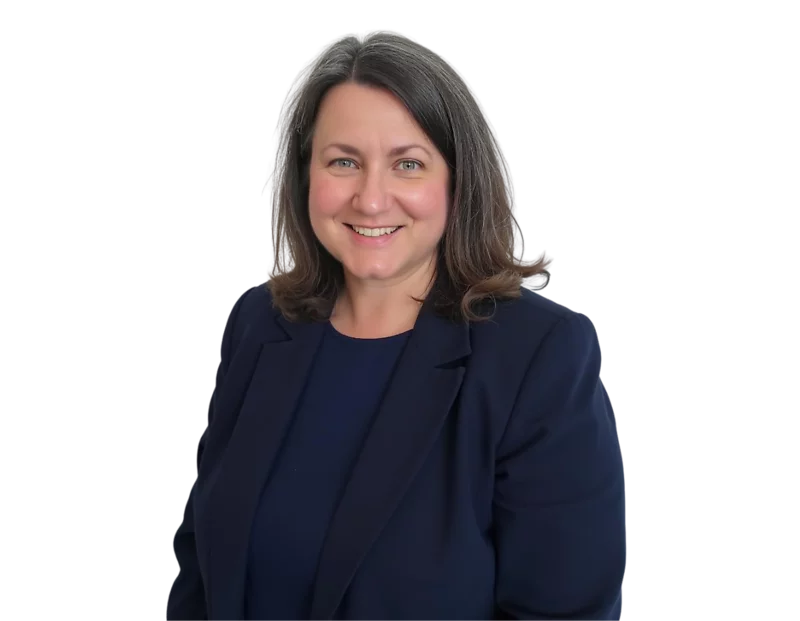
Laura Balson
Partner and Chicago Office Managing Partner
Laura is the managing partner of Constangy's Chicago office and counsels employers across industries on proactive strategies to manage workplace risk, including employment practice audits, litigation prevention, and complex compliance issues. She represents employers before the EEOC, the Illinois Department of Human Rights, and other administrative agencies. She also serves as lead trial counsel in state and federal courts and has argued appellate matters before the Seventh Circuit. Laura has extensive experience defending individual and class action claims under the Illinois Biometric Information Privacy Act (BIPA), helping employers and insurers through compliance counseling, litigation defense, and class settlement strategies.
Max Bernas
Associate Attorney
Max is a labor and employment litigator who represents management in discrimination, retaliation, wage and hour, pay equity, and disability accommodation matters in state and federal courts, administrative actions, and investigations. He also focuses on traditional labor law, including responses to unfair labor practice charges before the National Labor Relations Board, interpreting collective bargaining agreements, and preparing post-arbitration briefs. Max advises employers on compliance strategies to reduce litigation risk, drafts handbooks, leave policies, and employment agreements, and leads internal investigations. Because he began his practice on the plaintiff side, he brings a well-rounded perspective to defending civil suits and developing strategies to avoid litigation.