In the News: Robin Shea Discusses Remote Work Requests During FMLA and ADA Leave for SHRM
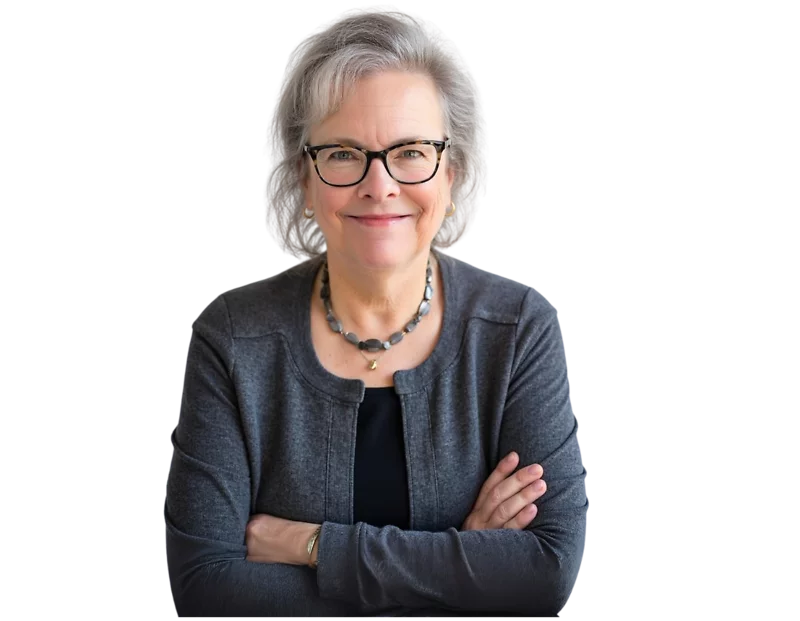
Constangy attorney and chief legal editor Robin Shea recently provided insight for SHRM on handling remote work requests for employees who are on leave.
“It is unlawful to force an employee to take more FMLA leave than he or she really needs, or to charge the employee for FMLA time when the employee is working,” she emphasized.
One way to handle these situations, Robin noted, is if the FMLA medical certification is recent and puts the employee out on block leave for the employer to deny the request to work based on current medical certification. “That won’t necessarily prevent the employee from getting a new medical certification, but it’s a start,” she said.
“If the job has to be performed onsite, it may be possible to temporarily reassign the employee to a job that can be performed remotely,” Robin explained. “If so, employers can consider it. But in many cases that will not be possible.”
“If an employee is nonexempt, the employer would need to ensure an employee is accurately documenting all time worked,” Robin said.
“If a job cannot be performed remotely or an employee has a questionable work ethic, allowing remote work could be either impossible or inadvisable,” Robin noted. “Allowing remote work opens the door to wage and hour issues.”
But if “the employee wants to work and can do it, allowing remote work may improve the employee’s morale while on leave and facilitate recovery,” she said. “From more of a business standpoint, it ensures that at least some work is getting done while the employee is on leave.
“Assuming that the job- and employee-specific considerations are positive and that the healthcare provider approves the remote work, and assuming the employer is not unduly concerned about the wage [and] hour implications, allowing some remote work while an employee is on ADA or FMLA leave could be a good thing for both the employee and the employer,” Robin said.
To view the full article, subscribers may click here.