A new study sheds light on the progress (or, more accurately, the lack of progress), made by U.S. employers in achieving gender diversity. The study's findings are important for federal contractors, who must comply with the requirements of the Office of Federal Contract Compliance Programs, as well as for any employers who consider gender diversity a priority.
So where do we stand now with gender representation in corporate America in 2017? Has the concept of gender equality remained simply “a concept”? Have the efforts to diversify the workforce resulted in positive results? The 2017 McKinsey & Company “Women in the Workplace” study provides some key insights into those questions.

The McKinsey study had broad participation: 222 companies and more than 70,000 individual employees participated in the 2017 survey. The participating companies provided employment representation data and human resources policies. The individual participants completed a survey of approximately 87 questions designed to measure individual experiences regarding gender in the workplace.
The resulting report is an interesting read. A little more than 30 pages, the report explains the statistical method and process that were used as well as some of the staggering results.
- Even in 2017 -- when women reportedly and consistently earn more college degrees in this country than men -- female representation in corporate America remains woefully low.
- Two of the main findings were that women continue to be hired and promoted at lower rates than their male counterparts, and the low representation does not appear to be driven by attrition.
- Although 52 percent of the nation's population is female, and 57 percent of college graduates are female, according to the study, only 20 percent of C-Suite corporate roles are filled by women.
- The study also reported a pretty steady decline in female representation as one moves up the corporate ladder: in 2017, women accounted for 47 percent of entry-level positions, 37 percent of manager level, 33 percent of senior manager/director level, 29 percent of vice president level, and only 21 percent at the senior vice president level.
- The report breaks down female representation by racial statistics as well. Not surprisingly, the gap in representation is even greater for women of color.
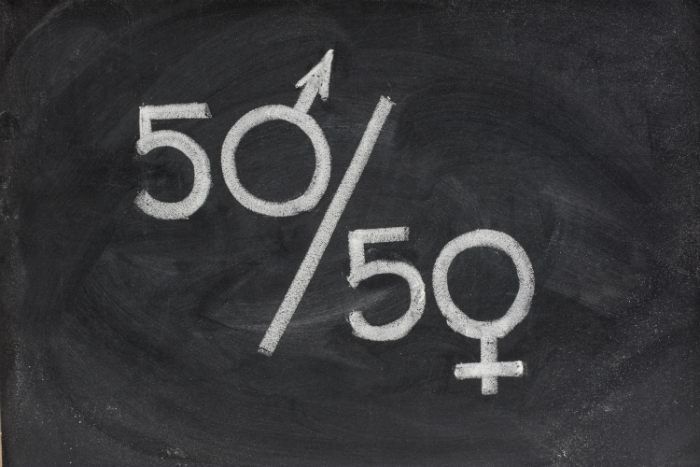 The study discussed female representation among different business sectors as well as personal employee perceptions and other interesting factors relating to women in the workforce.
For any company desiring to make headway in gender diversity, the McKinsey study may be a helpful tool for understanding the issue and a platform to explore new internal practices to achieving greater diversity and increased representation at all levels of the organization.
 Partner
Based in Constangy’s Macon office, she guides clients through workplace challenges ranging from litigation defense to proactive compliance strategies. Her practice covers the full spectrum of employment law issues, allowing ...
From developments in pay equity and changing requirements in data reporting, to DEI risk mitigation, Title VII compliance, and shifts in enforcement of Section 503 & VEVRAA, the EEO Compliance Dispatch blog is designed to keep employers informed and ahead of the curve.
Whether you’re a federal contractor navigating audits, an HR professional tackling pay transparency, or in-house counsel tracking state and local reporting requirements, our updates, legal analysis, and compliance strategies are tailored to help you manage risk and support a more inclusive workplace.