
Celebrate freedom!
Happy Juneteenth, everybody. Here is a little history about the day:
The Civil War: A recap
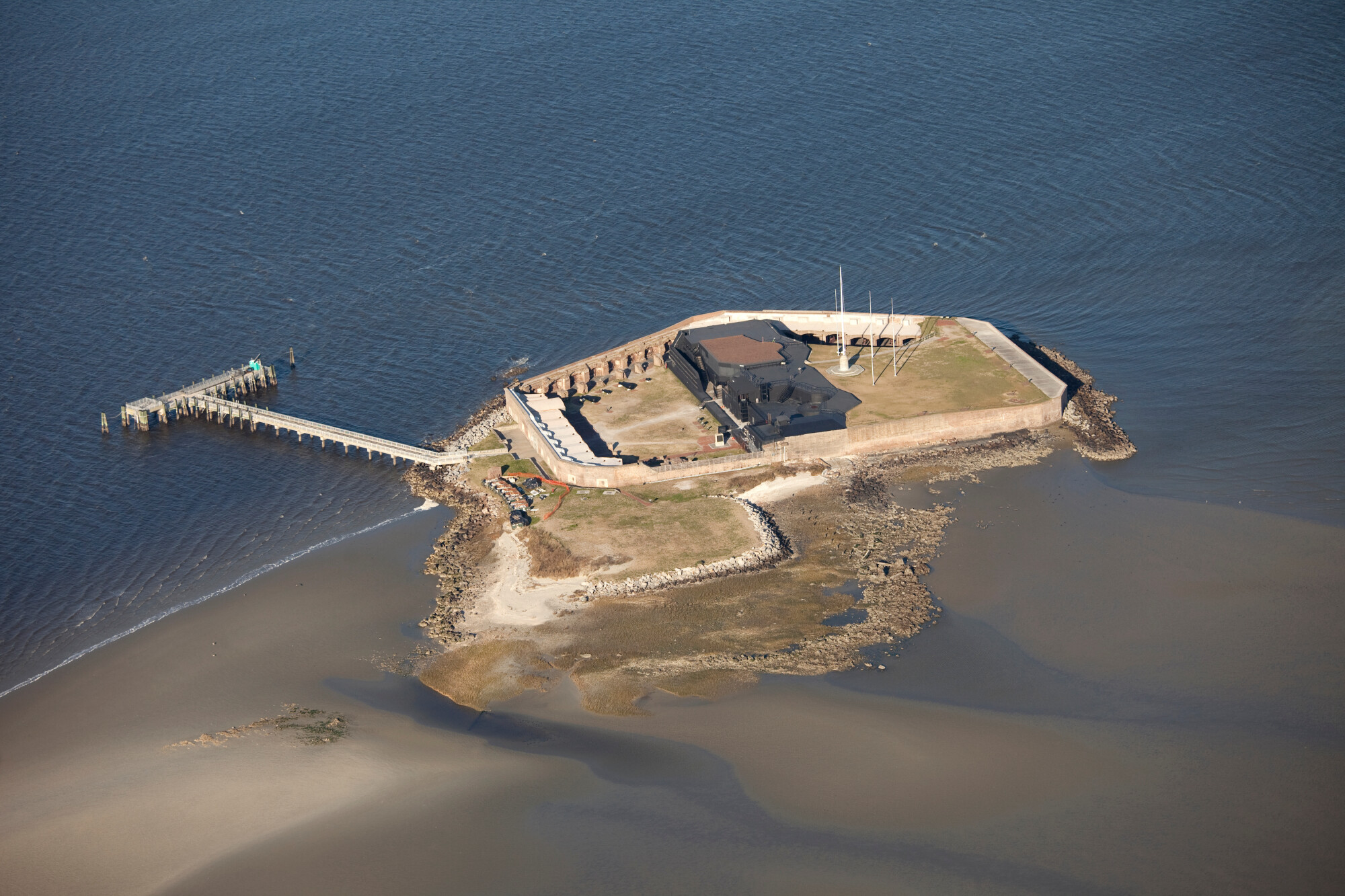
In 1860, South Carolina seceded from the Union over the issue of the right of states to allow slavery. In January 1861, five more states seceded: Mississippi, Florida, Alabama, Georgia, and Louisiana. In February 1861, they were joined by Texas, which is where Juneteenth began. The Civil War officially started on April 12, 1861, with the Confederates' attack on Fort Sumter, off the coast of South Carolina. (After Fort Sumter, four more states seceded -- Virginia, Arkansas, North Carolina, and Tennessee.)
As the war continued, on New Year's Day 1863, President Abraham Lincoln issued the Emancipation Proclamation, which provided that "all persons held as slaves" in the states still at war with the Union were free. As you can tell, there were loopholes in that Proclamation. Slaves in the border states that were not at war with the Union (Delaware, Kentucky, Maryland, Missouri, and West Virginia) were not freed by the Proclamation, nor were slaves in Confederate areas that were occupied by the Union. And because the war was still going on, it is not clear how many slaves even in the states, like Texas, that were covered by the Proclamation were actually freed.
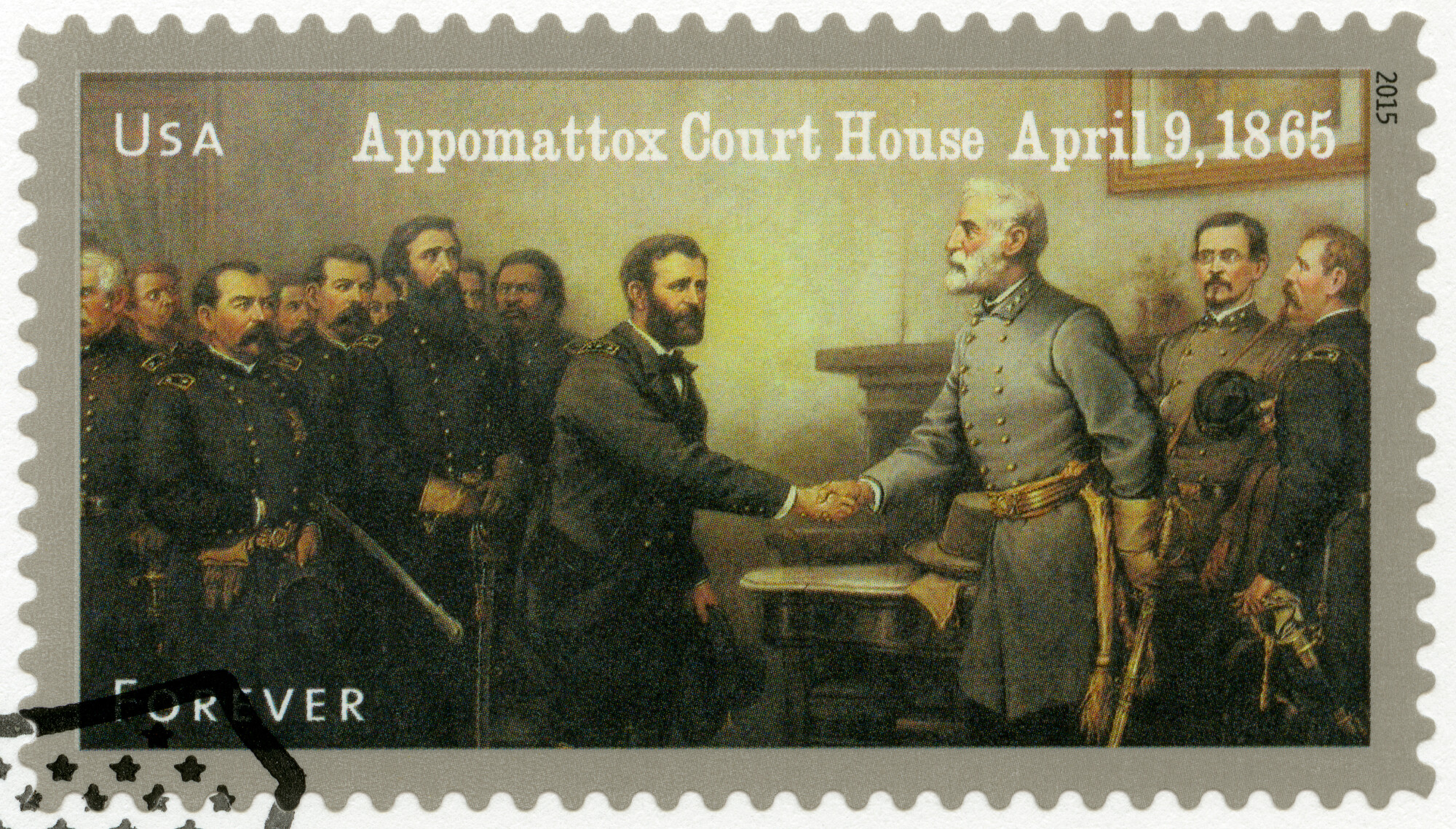
Gen. Robert E. Lee surrendered to Gen. Ulysses S. Grant at Appomattox, Virginia, on April 9, 1865. Five days later, on April 14, 1865, President Lincoln was shot while attending a performance of "Our American Cousin" at Ford's Theater in Washington, D.C. He died the next morning, and Andrew Johnson of Tennessee became President.

The original Juneteenth
On June 19, 1865, about two months after the end of the war and President Lincoln's assassination, a ship with Union troops led by General Gordon Granger arrived in Galveston, Texas. Gen. Granger announced that the Civil War was over and that the enslaved people of Texas were now free:
The people of Texas are informed that in accordance with a Proclamation from the Executive of the United States, all slaves are free. This involves an absolute equality of rights and rights of property between former masters and slaves, and the connection heretofore existing between them, becomes that between employer and hired labor. . . .
General Order No. 3. Although the Order went on to encourage the newly freed people "to remain at their present homes, and work for wages," many disregarded the admonition to stay home and left Texas to make their own way.
On June 19, 1866, the first anniversary of General Granger's announcement, "Juneteenth" celebrations were held in Texas. Juneteenth gained popularity in Texas and in the South into the early 20th century, but then faded as racist groups like the Ku Klux Klan revived and the Southern states adopted Jim Crow laws. But the holiday began to make a comeback with the Civil Rights movement in the mid-20th century and has been gaining ever since. And in 2021, President Biden made it a federal holiday.
Although Juneteenth was the usual day of celebration for people who were formerly enslaved and their descendants, the Thirteenth Amendment to the U.S. Constitution -- which abolished slavery as a matter of constitutional law -- was ratified in December 1865, after General Granger's announcement but before the first Juneteenth anniversary celebration in 1866.
It's been a long road
And did you know? The State of Mississippi did not ratify the Thirteenth Amendment until February 2013. That's right -- only 12 years ago. They tried to do it in 1995 (1995!), but they were required to notify the U.S. Archivist to make it official, and someone in the state government dropped the ball. After the Steven Spielberg movie Lincoln came out in 2012, a Mississippi resident got curious and discovered that Mississippi's attempted ratification had never become official. Once informed of the problem, the state got it taken care of, and Mississippi became the last of the states that existed in 1865 to ratify the Thirteenth Amendment.
There were a few other slacker states, some of which may surprise you: New Jersey (did not ratify until 1866), Delaware (did not ratify until 1901), and Kentucky (did not ratify until 1976).

It's been a long, hard road, but an achievement beyond measure. Happy Juneteenth!
- Of Counsel & Chief Legal Editor
Robin also conducts internal investigations and delivers training for HR professionals, managers, and employees on topics such as harassment prevention, disability accommodation, and leave management.
Robin is editor in chief ...
This is Constangy’s flagship law blog, founded in 2010 by Robin Shea, who is chief legal editor and a regular contributor. This nationally recognized blog also features posts from other Constangy attorneys in the areas of immigration, labor relations, and sports law, keeping HR professionals and employers informed about the latest legal trends.