Employees have a right to privacy.
Mike Babcock is one of the most successful coaches in the National Hockey League. He has won 700 games with three different teams and led the Detroit Red Wings to the Stanley Cup in the 2007-08 season. It seemed that the Columbus Blue Jackets had made an excellent choice when they hired Mr. Babcock as their head coach in July of this year. However, his tenure was short-lived. Two weeks ago, Mr. Babcock resigned after an investigation into his conduct.
Mr. Babcock’s actions were a bit odd and potentially legally problematic. It had been reported that during team meetings, Mr. Babcock had ordered Blue Jacket players to show the photos on their cellphones to Mr. Babcock and the entire team by displaying them on a television. The photos reportedly included sexual content as well as other obviously personal photos. Mr. Babcock supposedly made the requests in an effort to build character and camaraderie among the team. However, many of the players – particularly younger players – were reportedly uncomfortable with the request.
The NHL and National Hockey League Players Association, the players union, investigated and confirmed the reports, leading to Mr. Babcock’s resignation.
Mr. Babcock’s conduct raises various concerns.
First, the NHL is a union workplace, which imposes particular obligations on employers. Although union employers can set many workplace policies, some policies must be negotiated with the union. The NHL-NHLPA collective bargaining agreement sets forth the rights of the parties, including the circumstances under and the process by which the team can discipline players. If a player had refused Mr. Babcock’s requests and was subsequently disciplined, the player may have been able to argue that the discipline violated the collective bargaining agreement.
Second, all individuals have a right to privacy in some form. The scope of that privacy, and an employer’s right to encroach upon it, vary from state to state. In response to an increased usage in technological monitoring by employers, state legislatures are increasingly considering ways to protect employees. New York has recently passed laws requiring employers to provide notice of monitoring and prohibiting employers from requesting employees to provide login information for personal social media accounts. Other states are likely to follow. Even where no such laws exist, employees may be able to allege common law violations of their privacy rights.
Third, apart from the legal concerns, Mr. Babcock’s actions were a poor way to try to bring his team together. Employees are entitled to “space” between their professional and personal lives. Generally, there is no reason for an employer to intrude upon an employee’s personal accounts or devices if they have no connection to the employee’s professional obligations.
Fourth and finally, how about hostile work environment sexual harassment, given the sexual nature of some of the photos that the team members were forced to watch?
The situation involving Mr. Babcock was swiftly resolved in part because of the public nature of the allegations and a credible external investigation. Very few, if any, employers (or members of management) are likely to try what Mr. Babcock did. However, his fate is a helpful reminder as to why this is a bad idea on many levels.
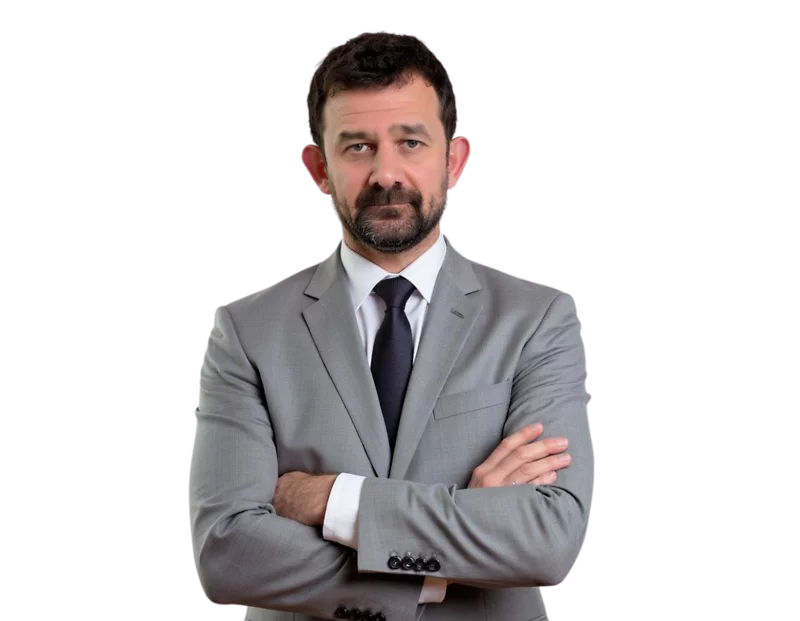 Senior Counsel
He represents and advises businesses on a broad range of labor and employment matters, including discrimination complaints, wage and hour claims, class actions, employment agreements, restrictive covenants, data privacy ...
This is Constangy’s flagship law blog, founded in 2010 by Robin Shea, who is chief legal editor and a regular contributor. This nationally recognized blog also features posts from other Constangy attorneys in the areas of immigration, labor relations, and sports law, keeping HR professionals and employers informed about the latest legal trends.