These are nothing short of miraculous.

(I'll be off tomorrow, so this is my "Friday" post.)
I recently posted about 10 “easy” steps to considering and making reasonable accommodations for disabilities, pregnancy, and pregnancy-related conditions. Before I move off the subject of accommodations – and with Ramadan/Eid al-Fitr recently ended, Passover having started yesterday, and Easter this coming Sunday – I thought it would be a glorious time to do 10 “easy” steps on religious accommodation. Although all reasonable accommodations have similarities, religious accommodations have some unique aspects that employers need to be aware of.
I hope these help. And I hope you noticed that I didn’t call them “The Ten Commandments of Religious Accommodation." (I was tempted, but I got over it. You’re welcome.)
10 "easy" steps
Step 1: Judge not. Don’t discount a request just because the employee’s belief isn’t “mainstream” or part of an organized religion, or seems weird or wrong to you. Legally speaking, that is not your call. What the courts look at is whether the belief is “religious” in nature (generally, whether it pertains to a Supreme Being, a higher power, or the cosmos) and whether that belief is “sincerely held.” A belief can be “religious” even if your employee is the only person in the world who believes it.
That said, not all “religious” beliefs are truly religious. Remember all the requests for religious exemption from the COVID vaccines? Some requests were religious in nature, but some were based on alleged health risks related to the vaccines, or to a belief that the government does not have the right infringe on someone’s bodily integrity. Those may be legitimate positions, but they are not religious objections. If the belief is not religious, then the employer isn't required to accommodate it.
 Much as I love the Easter Bunny, I wouldn't exactly call him "religious."
Step 2: Determine whether the belief is “sincere.” Assume sincerity unless you have a very good reason to think otherwise. In my state of North Carolina (heavily Baptist), our clients have employees who ask to be off for at least part of Sunday so they can go to church. With a tiny handful of those, their co-workers have reported that they were not going to church at all but were hanging out at the local bar. That’s not sincere. (And it may be ground for termination of employment.) If the asserted belief is not sincere, then you don’t have to accommodate. But be careful. For all we know, maybe those employees were evangelizing to the barflies, trying to get them to stop drinking and go to church. Doubtful, but you never know . . .
 The answer to his prayers.
In determining whether the belief is “religious” or “sincere,” you shouldn’t usually have to do an extensive investigation. But if you do need to check it out (“Are Catholics really required to go to Mass on August 15?”), look at it within the framework of the employee’s asserted religious belief. For many faiths and especially with “individual” beliefs, it may not be as simple as confirming with a letter from the employee’s spiritual leader, or checking it out online.
And allow me to mention one further complication. Even within a particular faith or denomination, there may be a wide variety of beliefs and practices. Going back to my Baptist friends, any religious “obligations” are determined by the individual. Years ago, I represented a manufacturing plant that had 24/7 operations and a large Baptist population. Among those Baptists, (1) some were fine with working Sundays, (2) some wanted to be to be off for services but were ok with coming to work afterward, and (3) some believed it was a sin to do any work on Sunday. My understanding is that these are all legitimate positions for a Baptist to take, so any could be sincerely held.
Step 3: When in doubt, check with your lawyer. If for some reason you think the accommodation request is not “religious” or not “sincere,” consult with your employment counsel before making a final decision.
Step 4: Notify the employee. If you decide that the accommodation request is both “religious” and “sincere,” go to Step 5. Otherwise, and if your counsel agrees, notify the employee that you are denying the request.
Step 5: If the request is “religious” and “sincere,” and if you can grant the requested accommodation (for example, letting an employee have the Sabbath or Sunday off), then do it. You’re done. You can skip to Step 9. But if you can’t necessarily grant the requested accommodation, go to Step 6.
Step 6: Engage in the interactive process. As with disability or pregnancy accommodation, the “interactive process” is a brainstorming session in which the employer and employee share ideas about how to accommodate the employee without causing an “undue hardship” for the employer.
If accommodation is tricky (for example, you’re in retail, and you do your heaviest business on the weekend, making it difficult to reschedule employees who can’t work on certain weekend days), then consult with employment counsel about options and then engage in the interactive process with the employee. It might be possible to schedule a Christian employee to work Fridays and Saturdays so that a Jewish or Seventh Day Adventist employee can be off for the Sabbath, and then schedule the Jewish or Seventh Day Adventist employee to work on Sundays to let the Christian employee off.
Step 7: Either grant an accommodation, or consult with counsel. If, after engaging in the interactive process, you’re able to find an accommodation that will work, then put it into place, and you’re done. Skip to Step 9. If you do not believe accommodation is possible, consult with employment counsel before making a final decision.
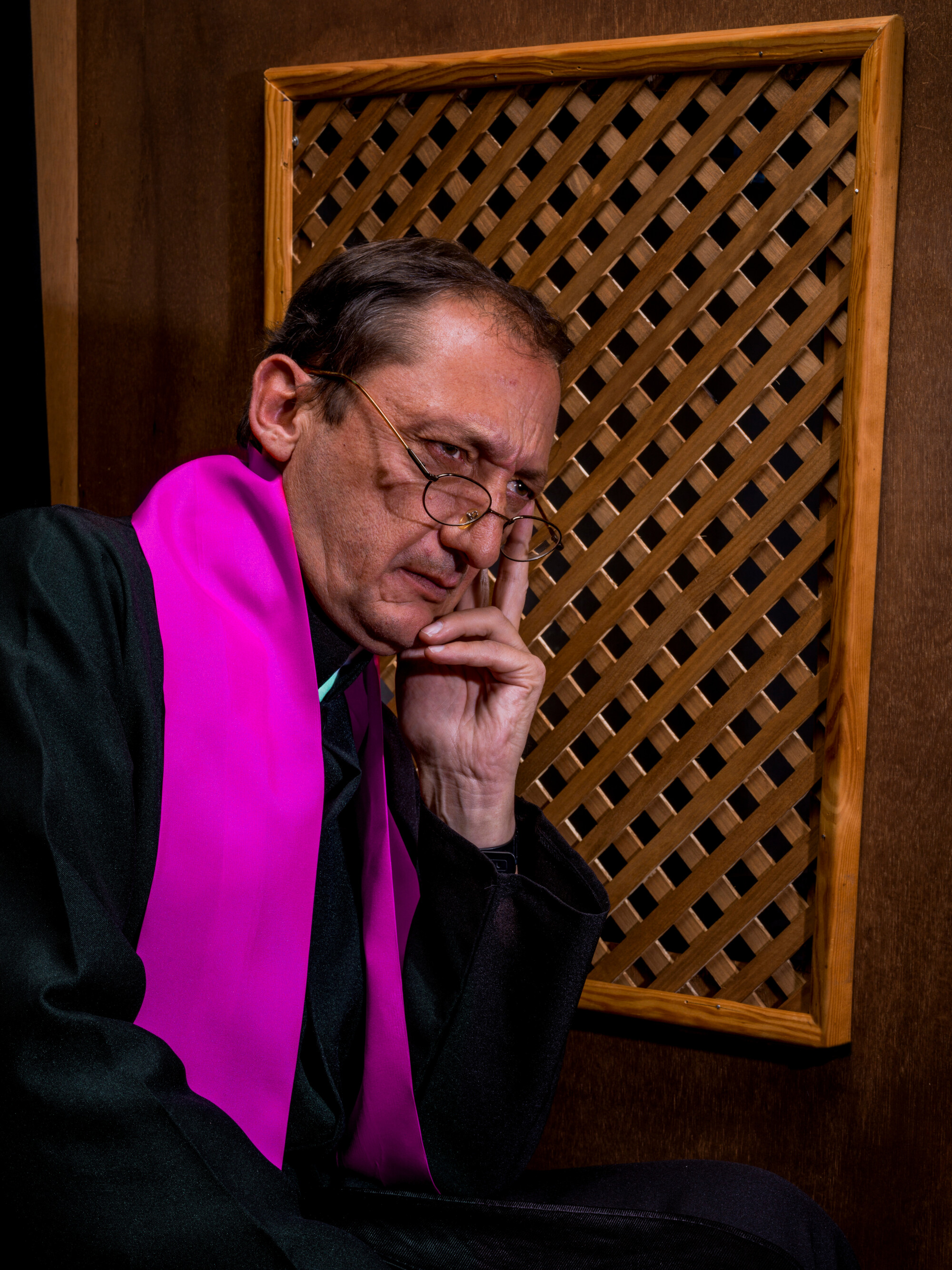 "You denied a religious accommodation but didn't talk to your lawyer first? And I thought I'd heard everything!"
Step 8: If you can’t make the requested accommodation or some alternate accommodation, and if your counsel agrees, notify the employee.
Step 9: Document. In all cases, document what you did at each step, and why. Also document the accommodations requested by the employee and considered, and (if applicable) why you didn’t adopt them.
Step 10: If you grant the accommodation, follow up periodically with the employee and the employee’s supervisor to make sure everything is going all right, making adjustments as needed.
Step 11 (BONUS): This is not really a step, but I wish you all a belated happy Eid, a happy Passover or Easter, or a lovely beginning of April, as the case may be!
 Of Counsel & Chief Legal Editor
Robin also conducts internal investigations and delivers training for HR professionals, managers, and employees on topics such as harassment prevention, disability accommodation, and leave management.
Robin is editor in chief ...
This is Constangy’s flagship law blog, founded in 2010 by Robin Shea, who is chief legal editor and a regular contributor. This nationally recognized blog also features posts from other Constangy attorneys in the areas of immigration, labor relations, and sports law, keeping HR professionals and employers informed about the latest legal trends.