... stop recording when you're done!

You don’t need for me to tell you that it’s very common to conduct meetings remotely via Teams, Zoom, or whatever. And most, if not all, of these applications give you the ability to record the meeting and generate a transcript.
Which is a very helpful feature. Except when it’s not.
If you need an example of “when it’s not,” take a look at this lawsuit that was filed last week in New Jersey.
The plaintiff alleges that she was terminated from her position as an environmental scientist after approximately three months on the job. The termination took place via videoconference, and one of the bosses set up an artificial intelligence application to record the meeting and create a transcript.
The meeting took place, and the plaintiff was allegedly told that things were not working out.
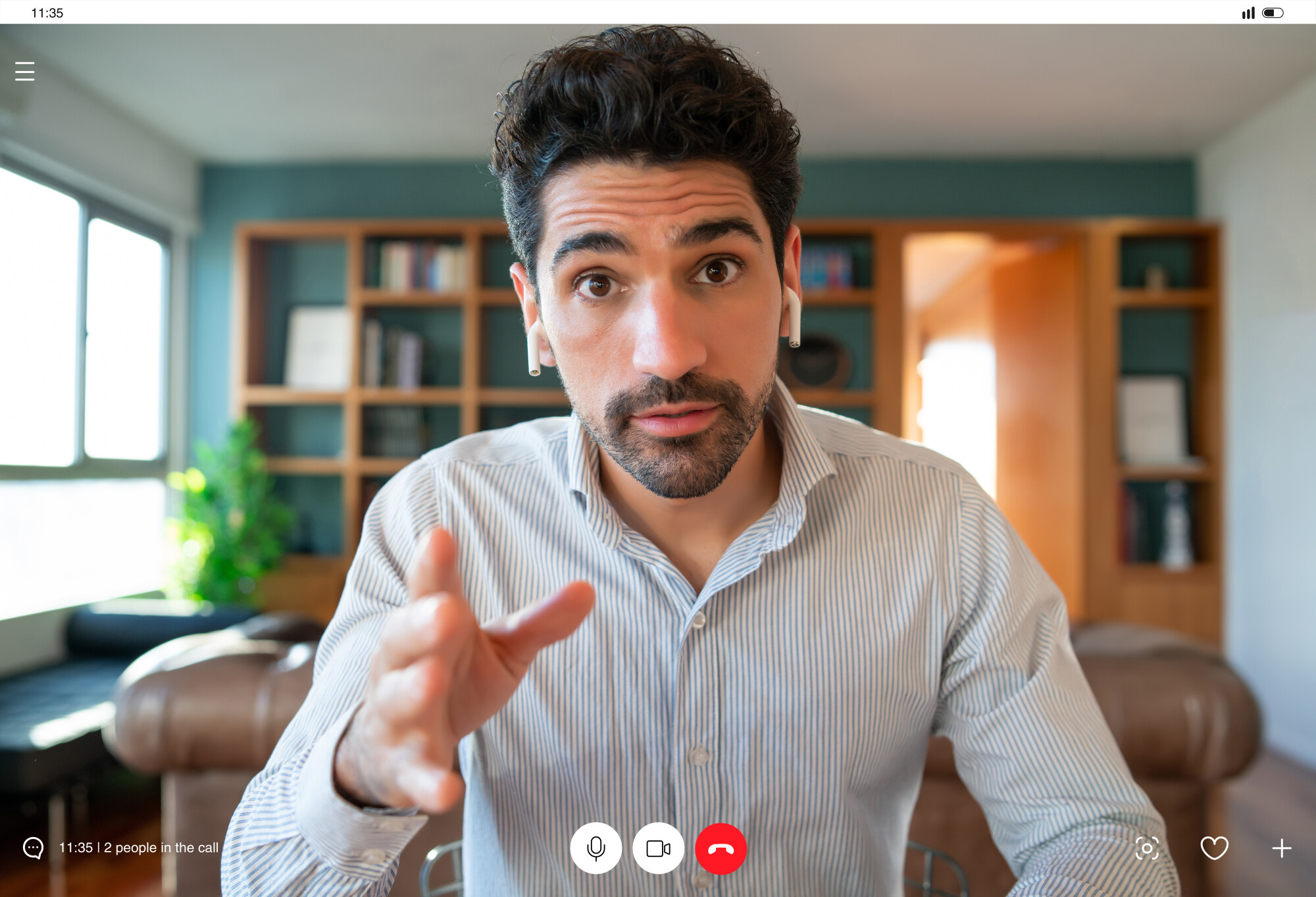 “We wish you all the best in your future endeavors.”
Pretty straightforward.
The plaintiff exited the videoconference. Her now-ex-bosses stayed on, and allegedly continued talking among themselves about next steps.
According to the lawsuit, one of the ex-bosses said that he hoped the plaintiff’s replacement would be “a relatively strapping young man.”
 The new guy.
("Relatively strapping"?)
Funny, except that the conference was still being recorded. After the meeting and post-meeting were over, the AI emailed the transcript to all of the participants, including the plaintiff.
So now the plaintiff has filed suit, alleging that she was let go because of her sex. Exhibit A is the “relatively strapping young man” statement allegedly made by the ex-boss and recorded for posterity.
The employer hasn’t yet had a chance to respond to the allegations in the lawsuit. I'm going to assume for the sake of this post that the recording was made and that what was allegedly said by the ex-boss was actually said. Even so, I don’t think the case is necessarily a loser for the employer. Here’s why:
First, the plaintiff was let go only three months after she was hired, so I assume the “same hirer, same firer” rule will apply. That’s the (rebuttable) legal presumption that, if you hired someone knowing her protected category and then you terminated her employment not long afterward, you probably didn’t fire her because of her protected category. If you'd had a discriminatory motive, the courts say, presumably you’d never have hired her in the first place.
Second, the plaintiff repeatedly alleges in her lawsuit that she had no performance issues. But even if that is true (and it may not be), did she do something else wrong? Violate a policy? Engage in inappropriate behavior? Abuse the staff? Lie about her experience? Was she unavailable or inaccessible, even though her quality of work was decent when she bothered to do any?
Third, was the “relatively strapping young man” comment a joke? It sure struck me that way. Especially coming from someone who presumably had been involved in hiring the female plaintiff only three months earlier. See “same hirer/firer” discussion above.
But even if my suspicions pan out and the employer wins the case, it is likely to face an expensive, disruptive, and stressful road to victory.
All because no one stopped the recording before the private, post-termination discussion began.
So here is my PSA: Employers, if you are recording a meeting about any Human Resources-related issue (job interview, termination, demotion, promotion, discipline), END THE CALL before you start a private follow-up discussion. The easiest way to do this is to terminate the videoconference when the meeting ends and then send out to the approved “insiders” a new invitation with a new link. PS-Don't cc anybody, especially not the "subject" of the original conference.
 Pull that plug!
Even a professional, serious discussion about a terminated employee can and will be used against you in a court of law. Joking and “venting” during such a discussion is much worse.
Which brings me to an even better tip: Don’t record the follow-up discussion at all. If your attorney isn’t in that conference and the former employee sues, then you will almost certainly have to produce even your "private" recordings in discovery.
 Of Counsel & Chief Legal Editor
Robin also conducts internal investigations and delivers training for HR professionals, managers, and employees on topics such as harassment prevention, disability accommodation, and leave management.
Robin is editor in chief ...
This is Constangy’s flagship law blog, founded in 2010 by Robin Shea, who is chief legal editor and a regular contributor. This nationally recognized blog also features posts from other Constangy attorneys in the areas of immigration, labor relations, and sports law, keeping HR professionals and employers informed about the latest legal trends.