
A lot has changed since Mother's Day 2023.
Happy Mother's Day weekend, all, including you dads and kids (we couldn't have done it without you)!

How much do you know about pregnancy in the workplace in 2023? Take our quiz and find out! As always, the answers will appear at the end of each question, so you can cheat all you want, and we'll never know. And if you make it to the end, there will be a special gift, selected especially for you.
Ready? Here we go!
No. 1: What pregnancy-related law was very recently the subject of new regulations from the Equal Employment Opportunity Commission?
A. The Pregnancy Discrimination Act
B. The PUMP for Nursing Mothers Act
C. The Pregnant Workers Fairness Act
D. Title VII
E. All of the above
ANSWER: C, but if you answered E, I will give you quintuple credit because the new regulations interpreting the Pregnant Workers Fairness Act also have implications related to the Pregnancy Discrimination Act (which became law in 1979), the PUMP for Nursing Mothers Act (became law in 2023), and even Title VII (which became law in 1964). The PWFA Final Regulations came out on April 19, and they will take effect on June 18, right after Father's Day. Cool!
2. Why did Robin put the word "pregnancy" in quotation marks in the headline to this post?
A. Because Robin doesn't know how to punctuate properly.
B. Because after the PWFA, "pregnancy" means a lot more than the actual nine months of gestation.
C. Because Robin was trying to emphasize the word "pregnancy," and she has never heard of italics.
D. All of the above.
ANSWER: B. The EEOC's definition of "pregnancy" for PWFA purposes is extremely broad. It includes actual pregnancy, but also fertility treatments, contraception, lactation, and miscarriage, abortion, and stillbirth, among many other conditions. Employers covered by the PWFA will be required to make reasonable accommodations for all of these conditions, provided that the employee has made the employer aware of the need.
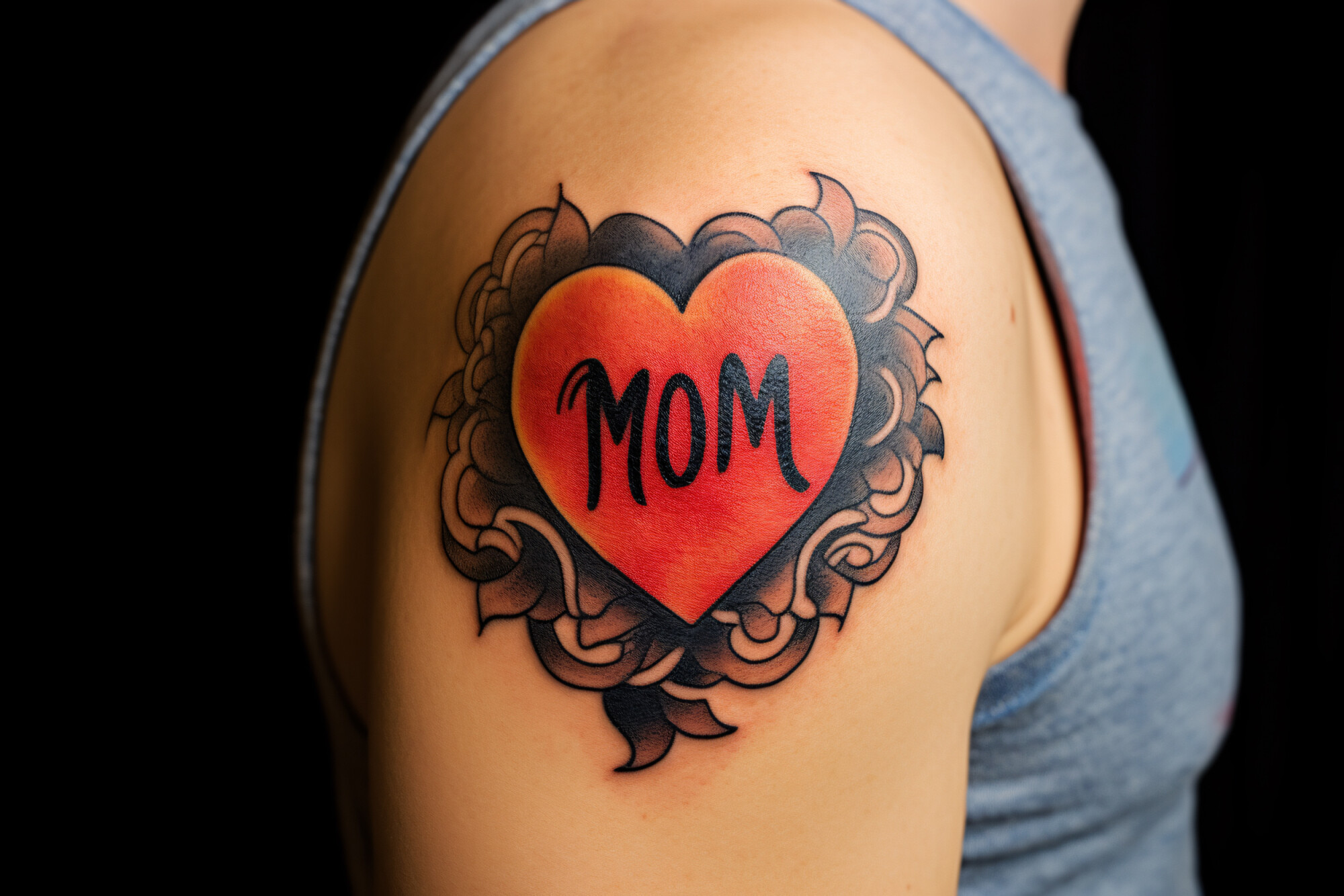
3. Which of the following, according to the EEOC, is NOT a legitimate reason for an employer to seek documentation related to an employee's need for pregnancy accommodation?
A. To confirm the existence of the pregnancy if it is not obvious.
B. To confirm that the condition for which the employee needs accommodation is pregnancy-related.
C. To get feedback regarding which pregnancy-related accommodations are appropriate under the circumstances.
D. To obtain the employee's complete medical history since the day she was born.
ANSWER: D, for "duh." The other reasons are all legitimate, and authorized by the EEOC regulations.
4. What routine documentation is an employer specifically PROHIBITED from requiring in connection with a pregnancy accommodation request?
A. A handwritten note from the employee's health care provider.
B. Use of an employer form that is designed specifically for pregnancy accommodation requests.
C. A medical certification form used for requests for leave under the Family and Medical Leave Act.
D. A note from the employee's mother.
ANSWER: B. This is one part of the PWFA regulations that I really dislike. Employers can request that employees or the employees' health care providers use an employer form, but they cannot mandate it. The regulations are so adamant about this that I'd recommend employers who provide a form for optional use make it crystal clear in writing on the form that use of the form is optional and that failure to use the form will not, in itself, result in denial of the employee's request for accommodation.
And please don't think that you can simply recycle your existing disability-accommodation forms for use with pregnant employees. You can't. You'll have to create new forms that request only the information authorized by the PWFA regulations. And use of your lovely new forms will still have to be optional.

5. Which of the following pregnancy accommodations does the EEOC say will almost never be an undue hardship for the employer and should normally be made without requiring any documentation?
A. Allowing a pregnant employee to take more frequent breaks for eating, drinking, and using the restroom.
B. Placing a pregnant employee on a medical leave of absence.
C. Suspending a requirement that the pregnant employee perform an essential function of her job.
D. Allowing a pregnant employee to work remotely full-time in what is normally not a remote job.
ANSWER: A. The EEOC has a list of what it calls "predictable assessments." These are pregnancy-related accommodations that normally can be granted upon request. (You do have the right to ask for documentation confirming that the employee is pregnant if the pregnancy isn't obvious. If the pregnancy is obvious, the employee must be allowed to self-confirm.) The other "predictable assessments" are allowing the employee to carry or keep drinking water handy, and allowing the employee to sit (if in a standing job) or stand (if in a sitting job).
6. If an employer can't accommodate a pregnant employee's restrictions, can it put her on medical leave?
A. Yes.
B. No.
C. Yes and no.
ANSWER: C. Before putting a pregnant employee on medical leave, the employer should have exhausted all accommodation possibilities that would allow her to continue working. This should be done through the old "interactive process," which employers have learned as a result of the Americans with Disabilities Act. If there are no work-related accommodations that would not be an undue hardship for the employer, and if the employer has engaged in the interactive process with the employee, then the employer can put the employee on a medical leave. If the employee herself wants to be on medical leave, then that's fine. But do get her request in writing in case a dispute arises later.
7. What penalties does the PWFA impose on employers who disclose an employee's confidential medical information related to pregnancy or pregnancy-related conditions?
A. Compensatory and punitive damages.
B. Back pay.
C. None.
D. Fifty lashes with a wet noodle.
ANSWER: C, believe it or not. The PWFA regulations make clear that unauthorized disclosure of an employee's medical information (including the fact of the pregnancy as well as any pregnancy-related conditions or any other medical information obtained during the accommodation process) does not violate the PWFA.
But this was a trick question. Disclosure of this information does violate the Americans with Disabilities Act, which requires employers to keep all employee medical information confidential, and separate from the employee's personnel file. So even though you won't be in violation of the PWFA if you disclose this information, you will be in violation of the ADA. That means compensatory and punitive damages are available. In the hopefully unlikely event that the disclosure results in a job loss, also back and front pay and benefits. Also, attorneys' fees and court costs. (Depending on the circumstances, the disclosure could also make you liable for PWFA retaliation.)
HOW'DJA DO?
5-7 correct: You are one hot mama! Or papa!
2-4 correct: Not bad! You put a roof over their heads and give them three square meals a day. That's not nothing.
0-1 correct: Eek! Mommie Dearest!
Just kidding! You all did great. And here is that special gift I promised you:

That way, Dad and the kids can enjoy the weekend, too.
Happy Mother's Day to us all!
 Of Counsel & Chief Legal Editor
Robin also conducts internal investigations and delivers training for HR professionals, managers, and employees on topics such as harassment prevention, disability accommodation, and leave management.
Robin is editor in chief ...
This is Constangy’s flagship law blog, founded in 2010 by Robin Shea, who is chief legal editor and a regular contributor. This nationally recognized blog also features posts from other Constangy attorneys in the areas of immigration, labor relations, and sports law, keeping HR professionals and employers informed about the latest legal trends.