EEOC takes a stand on bathrooms and gender identity.
Well, not the whole Equal Employment Opportunity Commission. Just the chair, Charlotte Burrows (D), who has issued non-binding guidance on sexual orientation and gender identity discrimination. (Reportedly, all three Republican members of the Commission -- a majority* -- have criticized the guidance.)
*The EEOC will have a 3-2 Republican majority until July 2022, when the term of former Chair Janet Dhillon expires. At that point, President Biden will have the opportunity to nominate a Democrat to fill Ms. Dhillon's position, and if the nominee is confirmed, that will create a 3-2 Democratic majority. It's safe to say that a Democratic EEOC will be perfectly fine with Chair Burrows' guidance, and may even expand it.
How did this all come about? Last summer, the U.S. Supreme Court ruled 6-3 in Bostock v. Clayton County that "sex" for Title VII purposes included sexual orientation and gender identity. However, the majority opinion by Justice Neil Gorsuch made it clear that the Court was not taking a position on use of "private spaces":
The employers worry that our decision will sweep beyond Title VII to other federal or state laws that prohibit sex discrimination. And, under Title VII itself, they say sex-segregated bathrooms, locker rooms, and dress codes will prove unsustainable after our decision today. But none of these other laws are before us; we have not had the benefit of adversarial testing about the meaning of their terms, and we do not prejudge any such question today. Under Title VII, too, we do not purport to address bathrooms, locker rooms, or anything else of the kind. The only question before us is whether an employer who fires someone simply for being homosexual or transgender has discharged or otherwise discriminated against that individual “because of such individual’s sex.” . . .
Justice Gorsuch went on to say that the Court recognized the importance of religious freedom and that Bostock was not addressing any such issues:
Separately, the employers fear that complying with Title VII’s requirement in cases like ours may require some employers to violate their religious convictions. We are also deeply concerned with preserving the promise of the free exercise of religion enshrined in our Constitution; that guarantee lies at the heart of our pluralistic society. . . But how these doctrines protecting religious liberty interact with Title VII are questions for future cases too. . . .
(Emphasis is mine.)
Despite these "disclaimers" in Bostock, Chair Burrows' guidance includes the following:
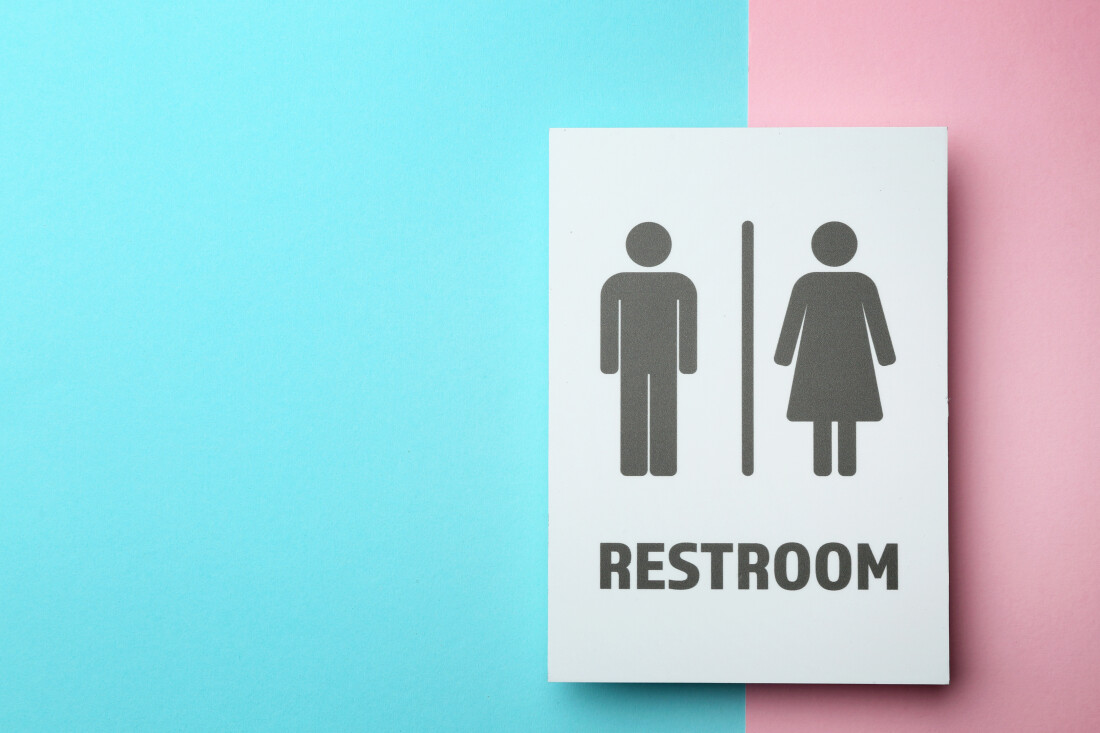
- Employers must allow transgender employees to use the bathroom, locker room, or shower that corresponds with their gender identity. (See Item 10.)
- It would not be considered unlawful workplace harassment for an employee to accidentally refer to a transgender co-worker by a "dead name" or by the pronouns that applied formerly. However, it could be considered unlawful workplace harassment if the mislabeling were deliberate and repeated. (See Item 11.)
These positions are consistent with the positions that the EEOC took during the Obama Administration, as the guidance notes.
Then, on Wednesday of this week, the attorneys general -- all Republican -- of the states of Alabama, Alaska, Arizona, Arkansas, Georgia, Idaho,, Indiana, Kansas, Kentucky, Louisiana, Mississippi, Missouri, Montana, Nebraska, Ohio, Oklahoma, South Carolina, South Dakota, Tennessee, Texas, and West Virginia sent a letter to President Biden, saying that Chair Burrows' guidance was "a radically inaccurate construction of Title VII" that "fundamentally misconstrues and improperly extends Bostock." (They also criticized a Notice of Interpretation recently issued by the U.S. Department of Education, which took similar positions with respect to students and Title IX.)
The attorneys general blasted Chair Burrows' guidance on a number of grounds, including the following:
- It was issued unilaterally by Chair Burrows rather than being presented to the full five-member Commission (which, with a Republican majority, no doubt would have voted it down).
- The public was given no notice or opportunity to comment, nor were the states or "other affected institutions and individuals."
- It exceeded the scope of Bostock.
- It could violate employers' and employees' rights under the Religious Freedom Restoration Act, the First Amendment (speech and religion), and even Title VII (religious protections).
The guidance itself acknowledges that it is not legally binding. But I doubt that many employers will want to become guinea pigs after knowing the position that the agency is taking (or, at least, will take after July 2022).

Meanwhile, it appears that there is some public resistance to having persons with male body parts in women's private spaces. A spa in Los Angeles was recently the subject of a viral video, scathing comments on Yelp! and Trip Advisor, and protests (as well as counterprotests) after a transgender woman who reportedly had not surgically transitioned was allowed in the female-only area, as required by California law.
Will employers trying to comply with Chair Burrows' guidance encounter similar resistance from their employees?
My prediction: We may soon see a boom in converting workplace restrooms, locker rooms, and showers to all-sex use, which will sidestep these issues. Construction contractors, you could be in for a very good year.
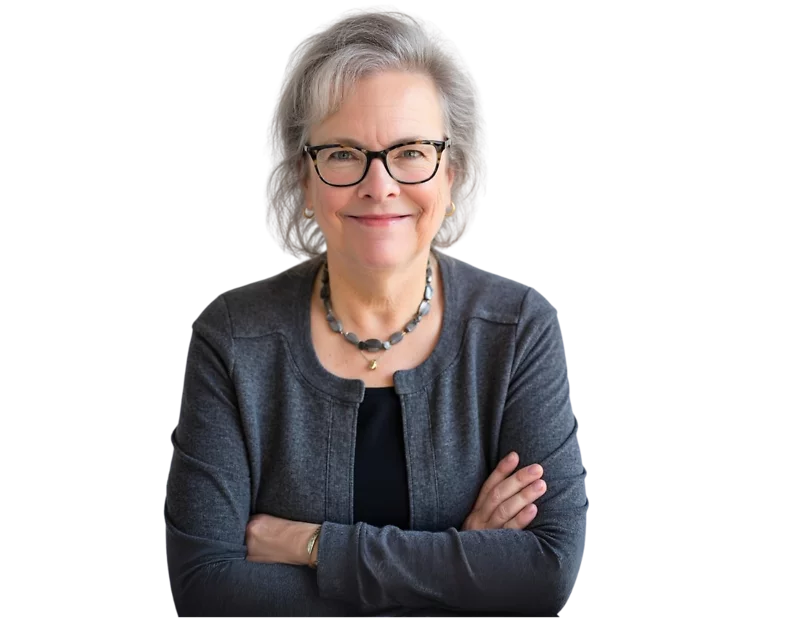 Of Counsel & Chief Legal Editor
Robin also conducts internal investigations and delivers training for HR professionals, managers, and employees on topics such as harassment prevention, disability accommodation, and leave management.
Robin is editor in chief ...
This is Constangy’s flagship law blog, founded in 2010 by Robin Shea, who is chief legal editor and a regular contributor. This nationally recognized blog also features posts from other Constangy attorneys in the areas of immigration, labor relations, and sports law, keeping HR professionals and employers informed about the latest legal trends.