Happy days are here again!
How much do you know about summer workplace fun in '21? Take our quiz and find out! As always, the answers appear right after each question, so you can cheat all you want -- we'll never know. And if you make it to the end, there will be a special gift selected especially for you!
Ready? Here we go!
No. 1: You are the HR Manager for Strict Company, which is one of the few that is requiring all employees to be vaccinated for COVID-19 before they can return to the worksite. Four employees refuse. Leonard refuses because he has an autoimmune disorder, and his doctor is afraid the vaccine will be harmful to him. Lawrence sincerely believes the vaccine will change his DNA. Lloyd has heard that the vaccine available in his town is made with cells from aborted babies and sincerely believes that getting the vaccine will violate his religious beliefs. Louie is a healthy 65-year-old who is afraid that the vaccine will be "too hard on an old war horse like me." The CEO wants you to fire all four men if you can do so legally. Which, if any, of these four may you have to retain? (Assume that only federal law applies.)
A. Leonard, Lloyd, and Louie, because disabilities, religion, and age are all protected categories under federal law.
B. Leonard, because of his disability. The other guys' reasons are ridiculous.
C. Lawrence and Lloyd, because they both have sincere objections to getting the vaccine.
D. Leonard and Lloyd, because their reasons are protected under federal law.
E. None. You can fire them all.
F. All. You can't fire any of them.
ANSWER: D. It is true that age is also a protected category under federal law, but refusing to be vaccinated because of age is not protected. Religion and disability (and, to some extent, pregnancy) are the only protected reasons to refuse. So, for Leonard and Lloyd, the employer will have to at least attempt in good faith to accommodate their refusals.
By the way, the employer's opinion of Lloyd's reason is not the point. The point is that he has a sincerely held religious objection to getting the vaccine, and that protects him under federal law.
No. 2: Now that 80 percent of your workforce is fully vaccinated, you are going to reward them by having an honest-to-goodness, non-virtual, no-Zoom, in-person company picnic!! With a keg!! And barbecue!! Yippeee!!! Which of the following do you not need to be concerned about?
A. Employees driving home from the picnic under the influence of alcohol.
B. Sexual harassment.
C. Beer-sotted arguments that turn into physical fights.
D. Complying with wage and hour laws.
ANSWER: E is the only thing you probably won't have to worry about with a live party. All of the others are possible, so you'll have to review again the precautions we have always recommended before any non-virtual company party. Either limit the amount of alcohol available or have rides available for employees who overdo it. (Understandably. It's been more than a year!) Remind people before the party of the no-harassment policy, and be on the lookout during the party of behavior that seems to be crossing the line. Try to intervene tactfully before things progress too far. The same goes for heated "discussions" between employees, especially after they've had a few beers.
With wage and hour laws, figure out in advance whether you need to pay non-exempt employees for their "party time." If attendance is mandatory (or "strongly expected"), then it's "work," so go ahead and pay them. If non-exempt employees help with set-up or clean-up, they are working, so you have to pay them. If that puts them into overtime for the workweek, then you have to pay overtime.
(Sheesh. This is hard. Maybe those virtual parties weren't so bad, after all.)
No. 3: You are the HR Manager for Togetherness, Inc. Your workforce has been at home for the past year, but your CEO has ordered everyone back to the office starting July 1. Most employees seem willing to return, but you have four holdouts. Which of the following might you have to accommodate?
A. Lulu, who has an autoimmune disorder and can't be vaccinated, and her doctor is recommending that she continue to work from home.
B. Lee Ann, who has a sincerely held belief that she prefers working from home because it's quieter and more comfy there, plus she saves a bundle on gas.
C. Laura, who is genuinely stressed out about returning to the workplace just because she's spent such a long time at home.
D. Lela, who has bipolar disorder, which makes her genuinely stressed out about returning to the workplace.
ANSWER: A and D. Lulu and Lela have legitimate medical conditions that preclude them from coming to the office. The employer should let them continue to work from home, or consider other reasonable accommodations.
But let's talk about Laura, who is genuinely stressed out but not because of any medical condition. There have been a lot of articles in the news about people who are anxious about returning to the workplace, especially in areas that had very strict lockdowns. Even though just being "stressed out" is not a disability within the meaning of the Americans with Disabilities Act and does not require reasonable accommodation, it does seem that the employer should consider making some accommodations to ease the transition. One idea would, of course, be to let such employees keep working from home. However, a better idea might be to let them come back one or two days a week at first, and then gradually build back up to a full workweek.
No. 4: As an incentive to get employees back into the workplace, your CEO throws a pool party at his mansion. A week after the pool party, two employees test positive for COVID, and they both file workers' compensation claims. What would you need to know before you could determine whether the company is liable?
A. The relevant law in your state.
B. Whether attendance at the pool party was required or "strongly expected."
C. Whether the CEO's swimming pool is a dangerous instrumentality.
D. Whether cocktails were served at poolside.
E. Whether you can show that the employees may have been exposed to COVID somewhere else.
F. All of the above.
G. None of the above.
H. A, B, and E.
ANSWER: H. The relevant law in your state is the first thing you'll need to know. But after that, you'd want to know whether attendance was truly voluntary or whether it was compelled. And you (or your insurance carrier) will also want to look for evidence that the employees may have been exposed to COVID somewhere other than at the party.
No. 5: Did Tony Soprano die?
A. Yes.
B. No.
C. Not sure.
D. Reply hazy try again.
ANSWER: C. We'll also accept D.
HOW'DJA DO?
4-5 correct: Awesome! You are a day at the beach with a bottomless pitcher of frozen daiquiris!
2-3 correct: Not bad! You're a lounge chair in the back yard with a glass of fresh-squeezed lemonade.
0-1 correct: Ugh! You're a cold hot dog and a hot beer.
Just kidding! You all did great! And here is that special gift I promised you. Enjoy!
(Who's playing that organ? A ghost?)
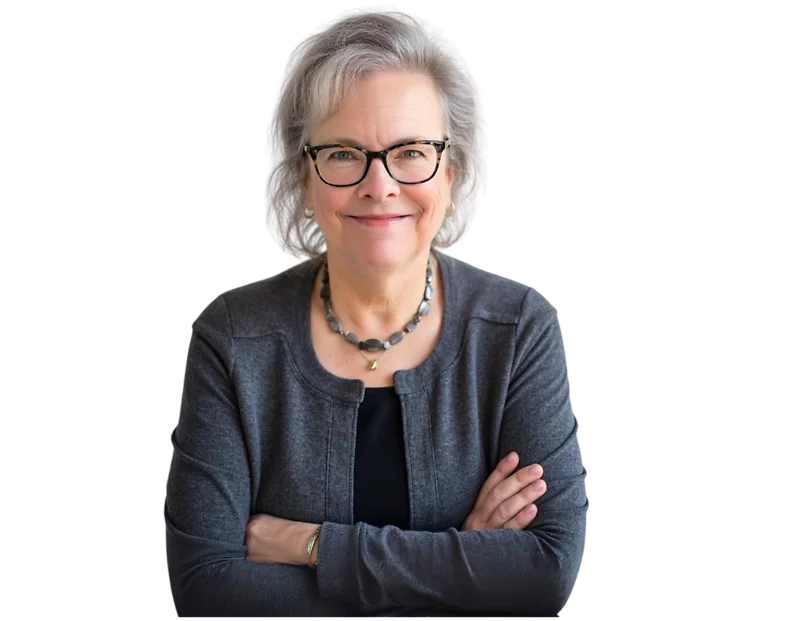 Of Counsel & Chief Legal Editor
Robin also conducts internal investigations and delivers training for HR professionals, managers, and employees on topics such as harassment prevention, disability accommodation, and leave management.
Robin is editor in chief ...
This is Constangy’s flagship law blog, founded in 2010 by Robin Shea, who is chief legal editor and a regular contributor. This nationally recognized blog also features posts from other Constangy attorneys in the areas of immigration, labor relations, and sports law, keeping HR professionals and employers informed about the latest legal trends.